
Mood: Why Gen Z Is Skipping the Booze—and Feeling Better for It
- Coastal Fitness and Correction
- Written By: Sarah-Jane Silva Lara

If there’s one thing we definitely need to borrow from Gen Z, it’s their impressive mocktail recipes. Seriously, who knew sparkling water, a splash of this, and a twist of that could look so fancy? But here’s the kicker—this generation isn’t just about looking good on social media. They’re actually cutting back on alcohol and embracing a healthier lifestyle more than previous generations.
Sure, they might joke about needing a nap after scrolling TikTok for too long, or how “back in the day” means pre-COVID, but when it comes to drinking habits, they’re making some smart moves. And honestly, we could all stand to learn a thing or two—especially those of us who’ve been around the block a few more times.
Generational Drinking Trends — Not Just a Boomer Thing
Older adults have actually increased their drinking over the last two decades. According to Gallup, the number of adults aged 55+ who drink alcohol has jumped from 49% in the early 2000s to 59% today. Meanwhile, young adults (ages 18–34) are drinking less—dropping from about 72% to 62% over the same time period. (Gallup poll source)
Gen Z is showing a different kind of restraint—probably because they spend more time perfecting their dance moves than nursing hangovers. In fact, over 1 in 5 said they don’t drink at all, and nearly 40% said they drink only occasionally. (Attest survey)
Meanwhile, Millennials and Gen X are creeping closer to their 50s, still out-drinking Gen Z—but also feeling the impact more: slower recovery, more disrupted sleep, and workouts that hit differently after a few glasses of wine.
Let’s Get Real: Here’s What Alcohol Is Actually Doing to Your Body
Now that we’ve seen how generational drinking trends are shifting, let’s zoom in on what alcohol is doing under the hood — especially as you age. Even if you don’t drink every night, the science suggests that “moderate” intake isn’t quite as harmless as many used to believe.
When Does the Hangover Actually Start?
The hangover doesn’t wait until morning — it begins the moment your blood alcohol concentration (BAC) drops toward zero. In fact, the Alcohol Hangover Research Group defines a hangover as the combination of mental and physical symptoms that arise when BAC returns to or nears zero, even after just a single drinking session. PubMed
And you don’t have to be blackout drunk to feel it. Research shows that hangover symptoms like fatigue, irritability, brain fog, and poor sleep can kick in after just a few drinks — especially when sipped quickly or on an empty stomach. Northwestern Medicine
You might assume a light buzz now and then is mostly harmless — but science is raising serious red flags. According to a massive new study combining U.S. and U.K. participants, any level of alcohol—even modest drinking—is associated with an increased dementia risk (about 15% higher per extra 3 drinks per week). That study, published in BMJ Evidence-Based Medicine, used genetic methods and observational data from over half a million people. University of Oxford
Meanwhile, U.S.-based research backs the warning: a longitudinal study of midlife drinking found that even low alcohol intake is linked to worse cognitive performance later in life (on memory and overall cognition) compared to lighter drinkers. PubMed Other brain-imaging work has shown that moderate drinkers (14–21 units/week) had three times the odds of hippocampal atrophy compared to abstainers. PubMed
When ‘Moderate’ Drinking Isn’t So Harmless
Disrupted Sleep & Recovery
Even just 1–2 drinks can reduce REM sleep and fragment your rest, which impairs memory, mood regulation, and physical recovery.
→ Meta-analysis: Alcohol’s impact on REM sleepReduced Athletic Performance
Alcohol affects coordination, hydration, muscle recovery, and endurance for up to 72 hours post-drinking.
→ Study: Alcohol and exercise performanceSlower Fat Burning
Your body prioritizes metabolizing alcohol before burning fat or carbs—stalling weight loss and increasing fat storage.
→ Healthline overviewHarder to Lose Weight
In a Johns Hopkins lifestyle study, people who drank heavily lost less than half the weight of those who abstained.
→ Study: Alcohol intake and weight lossLong-Term Weight Gain Risk
Increases in alcohol consumption were linked with weight gain over 4-year periods in the Health Professionals study.
→ PubMed: Alcohol and weight trends
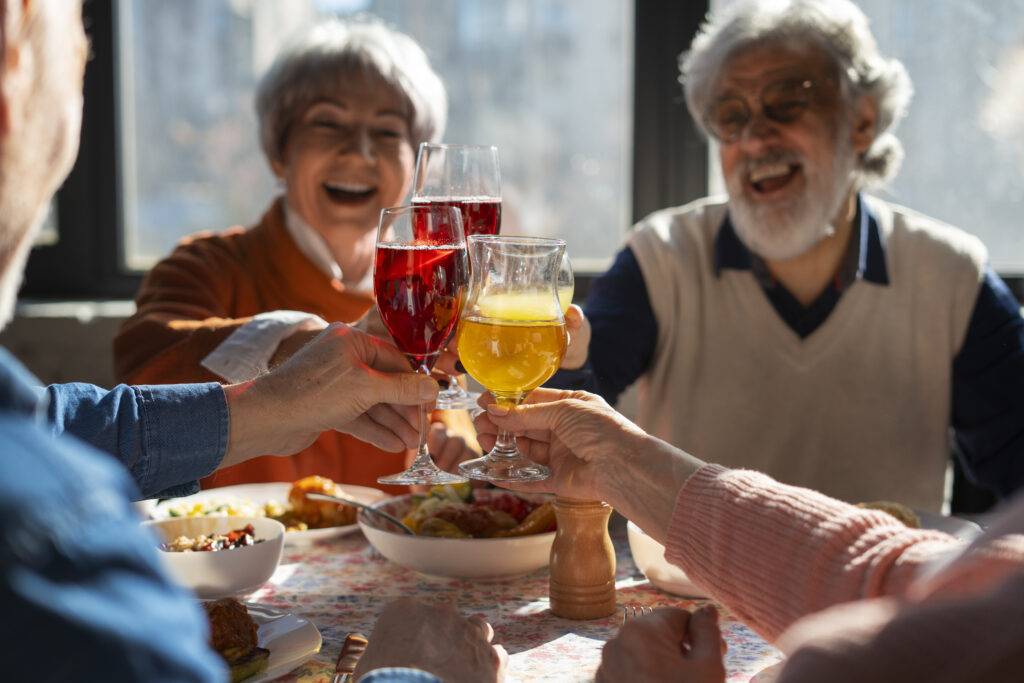
Tips from Gen Z on How to Drink Less Without Killing the Vibe
Ready to cut back without going full teetotal? Here’s how Gen Z is doing it—without feeling like they’re missing out:
1. Make Mocktails a Moment: They’re not boring anymore. Mix sparkling water, fresh herbs, citrus, or zero-proof spirits for something that feels fun and intentional—not like a sad soda. Need ideas? Check out our blog article for you next go-to recipe!
2. Use the Internet for Good: Follow sober-curious creators and wellness influencers. The online world is full of people making mindful choices look easy, fun, and empowering—surround yourself with inspiration that supports your goals.
3. Set Intentions Before Events: Gen Z sets boundaries: “I’m just having one,” or “I’m off alcohol this month.” Saying it out loud makes it easier to stick to.
4. Delay the First Drink: Waiting 30–60 minutes before grabbing your first drink often leads to drinking less overall—and sometimes skipping it altogether.
5. Find Your People: Socializing doesn’t have to revolve around alcohol. Think hiking clubs, late-night coffee shops, or fitness-focused hangouts.
The Coastal Fitness Take: Why This Matters for You
At Coastal Fitness & Correction, we specialize in helping people move better, feel better, and age well—with strength and purpose. And that includes recognizing when low-key habits—like a few “harmless” drinks—might be holding you back. You don’t have to quit forever (unless you want to), but you should understand the impact alcohol has on your performance, recovery, and long-term health. Try experimenting with small changes—like swapping your evening drink for a calming mocktail—and notice how your body responds. We’re here to support you in building a lifestyle that works for you—from training and recovery to mindset, rest, and everything in between.
Coastal Fitness and Correction focuses on each client individually by designing unique programs based on:
- Orthopedic Considerations
- Post-rehab Injuries
- Prehab & Post-rehab of Surgical Repairs
- Neurological Conditions
- Cancer Diagnosis
Through measured progress of strength, range of motion, stability, and mobility, we are here to empower clients to live each day at their highest and healthiest ability. To connect with your Orthopedic or Cancer Exercise Specialist in Sarasota, Florida click here.