
Movement: Fall Prevention (a.k.a. Staying Upright & Fabulous)
- Coastal Fitness and Correction
- Written By: Sarah-Jane Silva Lara
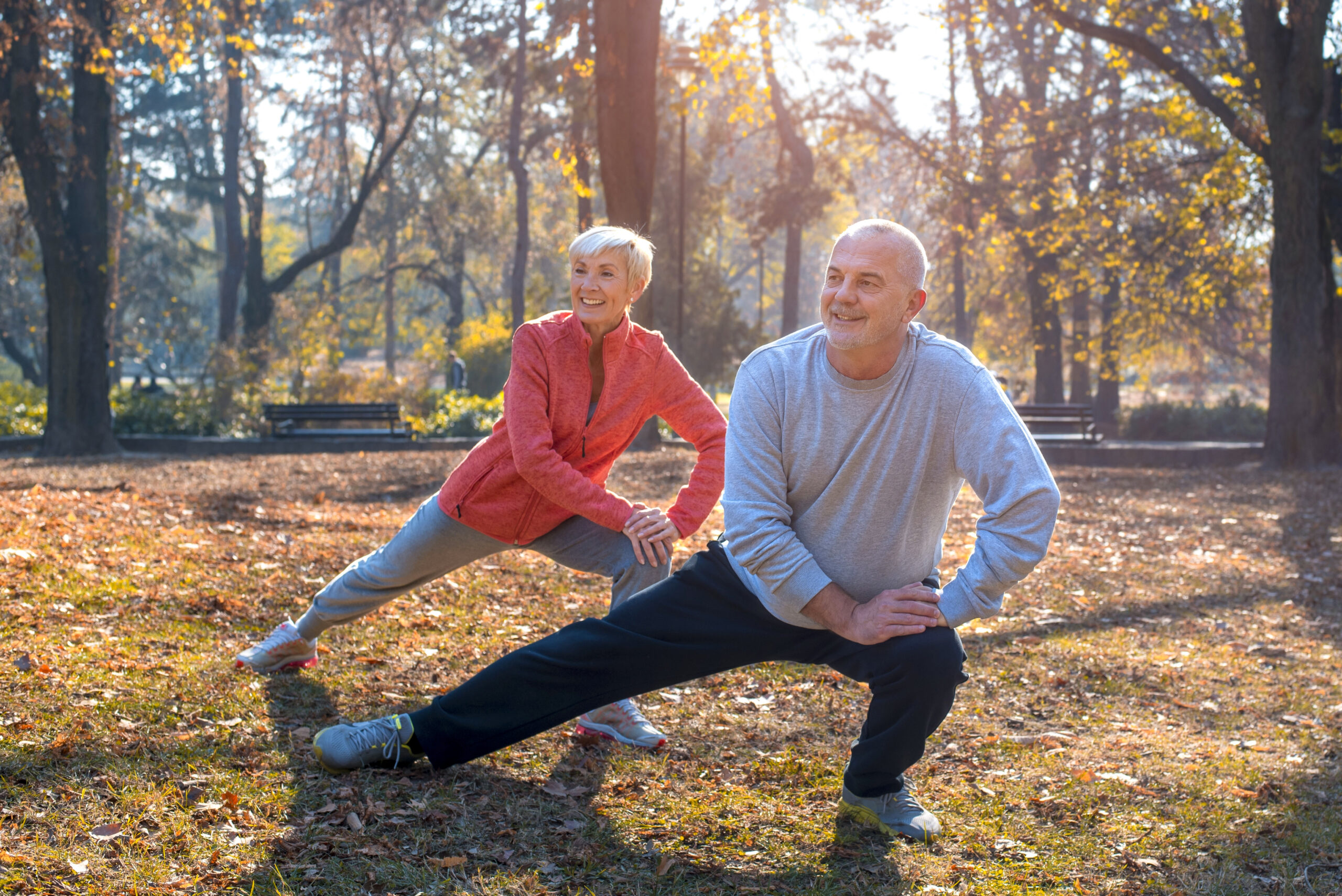
Let’s face it — gravity is undefeated. But just because gravity exists doesn’t mean you have to become its next victim.
As we age, the likelihood of falling — and the severity of the consequences — increases dramatically. In fact, according to the Centers for Disease Control and Prevention (CDC), falls are the 5th leading cause of death for adults over 65 in the United States. That’s not just a stat — it’s a flashing neon sign that says: Do something about this before you go down like a sack of potatoes.
Why Falling is a Big Deal
It’s not just the fall — it’s what comes after. A broken hip, for example, can trigger a downward spiral of reduced mobility, muscle loss (also known as deconditioning), and decreased independence. (Curious about what deconditioning is and how it impacts your body? Check out our blog that breaks it down [here].) The CDC also notes that 1 in 10 falls causes a serious injury, such as broken bones or a head injury. That’s not the kind of surprise anyone wants after a casual trip to the fridge.
So, how do we fight back? No, not with bubble wrap suits — though tempting — the real answer is intentional movement.
I Took a Class on This – So You Don’t Have To
Over the weekend, I attended a workshop called Biomechanics & Performance for Seniors, taught by Guy Andrews, who is 65 years old and walking the walk — teaching others how to stay strong and mobile. The key message?
Yes, weightlifting matters, but functional training is the real MVP.
Think exercises that strengthen your core, glutes, and quads — the trio responsible for helping you move safely and confidently. These muscles aren’t just for Instagram selfies — they help you sit, stand, stop, stabilize, and walk without resembling a newborn giraffe.
And don’t forget deceleration — that’s your ability to slow down or stop your movement without wiping out. It’s one of the most overlooked aspects of fitness, and one of the most important when it comes to preventing falls.
Balance Is a Team Sport (Eyes, Ears, Brain – Assemble!)
As we get older, our balance becomes a delicate dance between cognitive function, visual input, and vestibular (inner ear) health. If any part of that system starts to fade, so does your ability to stay upright.
Here’s a fun way to test your balance:
- Stand next to a table or sturdy surface (don’t actually fall — this is just practice).
- Lift one foot and try holding it for 15 seconds. Easy? Great.
- Now, close your eyes and do the same. Not so easy anymore, right?
- Now flail your arms around like you’re conducting a symphony or swatting a bee.
Still upright? You might be Jackie Chan. But if any part of that felt shaky, unsteady, or straight-up impossible — it’s time to talk to an exercise specialist. Fall prevention isn’t just for the elderly — it’s for the wise.
Modern Life: Couch Potato Edition
Even if you’re someone who takes daily walks or hits the gym a few times a week, you’re likely more sedentary than your parents were — and definitely more than their parents. The modern world has made life easier, but it’s also made us less mobile.
We drive more, sit more, stream more, and even have groceries delivered to our front door. According to the World Health Organization, this kind of sedentary lifestyle significantly increases your risk of chronic diseases, muscle loss, and even early death.
Our bodies were made to move — but our lifestyle has hit the “pause” button. That’s why fall prevention is no longer just something to worry about at 80. You need to be thinking about it at 40, 50, or earlier. Prevention starts now.
At-Home Moves to Stay Upright (and Look Good Doing It)
Try these simple exercises at home — no gym required:
- Sit-to-stands from a sturdy chair (no hands!)
- Step-ups using a low stair or step
- Heel-to-toe walks (think sobriety test, minus the tequila)
- Wall sits to light up those quads and glutes
- Dead bugs and planks for a stronger core
These help improve strength, coordination, and balance — your fall-fighting toolkit.
Getting Prepared
Even with all the prevention in the world, falls can still happen. Here’s what you can do to prepare:
Use the Buddy System
If you live alone, pair up with a friend or loved one. Have daily check-ins — a quick morning and evening call or text. If there’s no response, they follow up or call for a wellness check. That way, you’re never alone for too long in an emergency.
Train Your Tech
Your smart devices can be lifesavers — literally. Practice using voice assistants like “Hey Siri,” “Hey Google,” or “Alexa” to respond from other rooms. The more your tech can hear you, the better.
Upgrade to Smart Wearables
Modern smartwatches (like Apple Watch or others) come with fall detection features. According to AARP, many of these devices can detect a fall and automatically alert emergency services or loved ones — even if you’re unconscious.
Getting UP After a Fall
- Make sure you’re not hurt
- Roll to your side
- Get on all fours
- Crawl to a stable object
- Kneel
- Stand or sit
 Watch this video on how to safely get up if you’ve fallen:
CLICK HERE
Fall prevention isn’t about fear — it’s about freedom.
The freedom to move with confidence, live independently, and stay out of hospital gowns (because let’s be honest — they’re drafty and unflattering).
If you’re not actively working on balance, stability, and functional strength, now’s the perfect time to start. Because gravity never sleeps — and neither should your commitment to staying upright.
Have questions or want to learn more?
Talk to one of our exercise specialists at Coastal Fitness and Correction — we’re here to help you stay strong, balanced, and (most importantly) on your feet.
Coastal Fitness and Correction focuses on each client individually by designing unique programs based on:
- Orthopedic Considerations
- Post-rehab Injuries
- Prehab & Post-rehab of Surgical Repairs
- Neurological Conditions
- Cancer Diagnosis
Through measured progress of strength, range of motion, stability, and mobility, we are here to empower clients to live each day at their highest and healthiest ability. To connect with your Orthopedic or Cancer Exercise Specialist in Sarasota, Florida click here.